
-
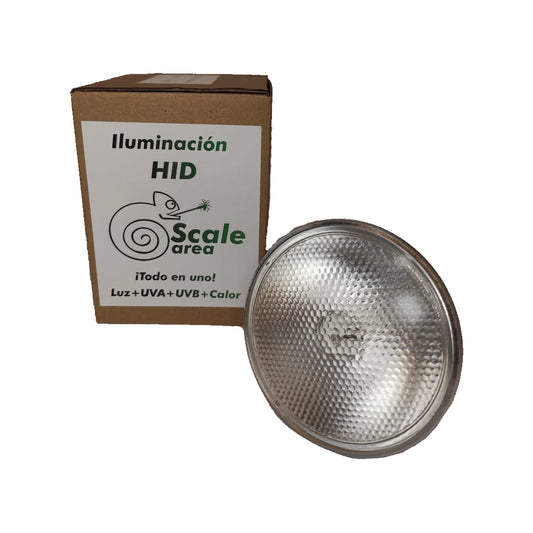
HID bulb for reptiles – UVB, UVA and heat all in one
Regular price €24,95Regular priceUnit price per -
Compact UVB 10.0 bulb for bearded dragons and desert reptiles E27 26 W
Regular price €12,95Regular priceUnit price per -
Compact UVB 5.0 bulb for tropical reptiles E27 26 W
Regular price €12,95Regular priceUnit price per -
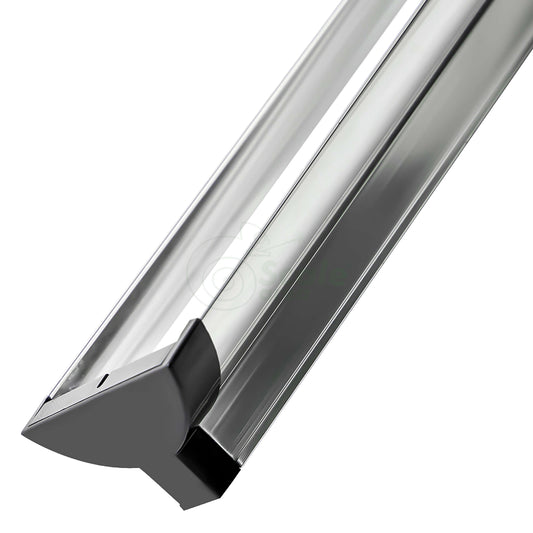
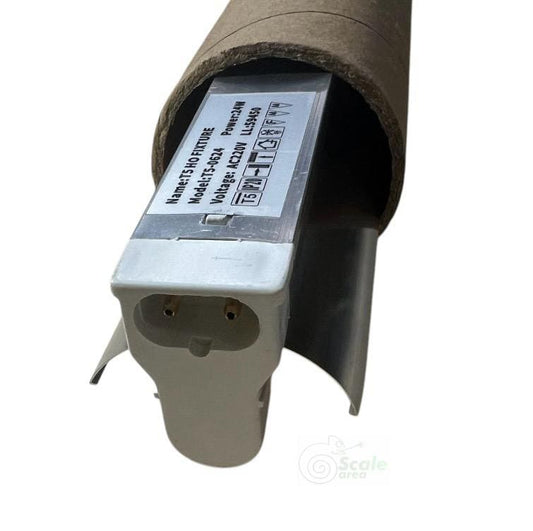
T5 UVB kit for reptiles with tube and lamp holder
Regular price From €59,00Regular priceUnit price per€69,00Sale price From €59,00Sale -
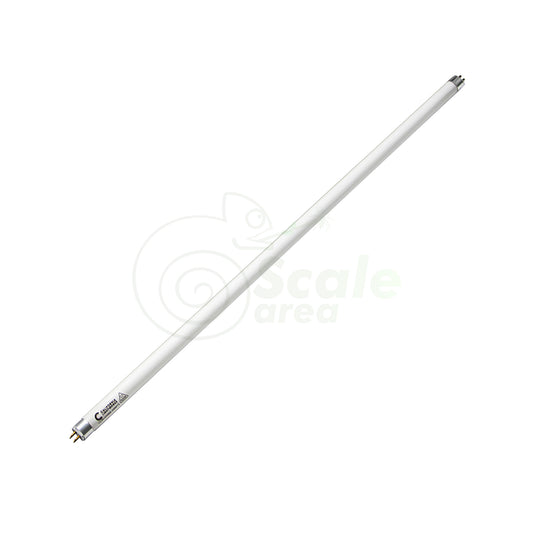
T5 UVB fluorescent tube for reptiles
Regular price From €16,95Regular priceUnit price per€19,00Sale price From €16,95Sale -
Complete HID kit for reptiles – bulb + ballast
Regular price €59,00Regular priceUnit price per -
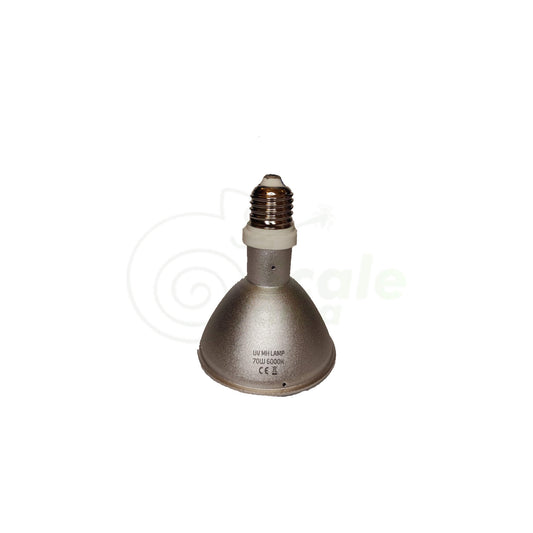
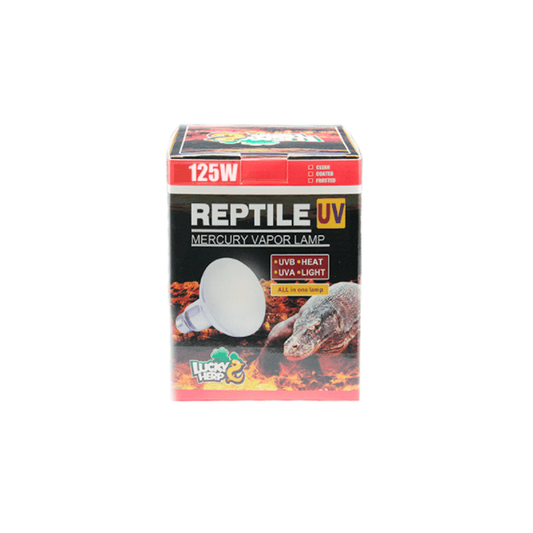
Self-ballasted mercury vapour lamp for reptiles – UVB, UVA and heat
Regular price From €24,50Regular priceUnit price per€32,00Sale price From €24,50Sale -
High-output compact UVB 15.0 bulb for bearded dragons E27 26 W
Regular price €12,95Regular priceUnit price per -
Budget T5 UVB kit for reptiles with tube and lamp holder
Regular price From €42,00Regular priceUnit price per -
Complete wired HID ballast with ceramic cap
Regular price €39,95Regular priceUnit price per









Customer reviews of Scale area
What is a UVB lamp for reptiles for?
A UVB lamp is a bulb that emits ultraviolet B radiation, which allows reptiles to synthesise vitamin D3 in their skin. Without vitamin D3 a reptile cannot absorb calcium from its food, and over time metabolic bone disease (MBD) develops, with weakened bones and growth problems. That is why, in a terrarium, UVB light is as essential as food for diurnal reptiles.
An ordinary bulb or an LED will not do: they give visible light but emit no UVB. As well as UVB, many reptile lamps emit UVA, which encourages natural behaviour, activity and breeding. UVB output runs out before visible light does, so a bulb can still be lit and no longer provide enough UVB. For example, compact bulbs are replaced after 6 months even if they still work, whereas a properly used HID lasts more than a year.
UVB 5.0, 10.0 or 15.0 bulb?
A UVB bulb's index is the number (5.0, 10.0 or 15.0) that indicates the intensity of the radiation, and it is chosen according to the reptile's natural habitat: the more direct sun it gets in the wild, the higher the index it needs.
- UVB 5.0, forest or filtered-light reptiles: veiled chameleon (Chamaeleo calyptratus), panther chameleon (Furcifer pardalis), crested gecko, Chinese water dragon, juvenile green iguana and aquatic turtles. Also as a supplement for leopard geckos and snakes.
- UVB 10.0, arid and semi-desert areas: bearded dragon, spur-thighed and Hermann's tortoise, small monitors, uromastyx and tegu.
- UVB 15.0, maximum radiation: uromastyx, sulcata tortoise, tegu and bearded dragon in large terrariums or ones with a mesh top.
The 10.0 is not suitable for chameleons or crested geckos. In terrariums over 100 cm long, the usual approach is to use two compact bulbs or supplement them with a T5 tube or an HID.
Which type of UVB lamp should you choose for the terrarium?
The right UVB lamp is the one that suits the size of the terrarium and the reptile's need for heat. Compact bulbs and tubes provide only UVB and light; HID and mercury vapour lamps also provide heat. There are four options:
- Compact UVB bulb (E27, 26 W): the simplest, for small and medium terrariums. It provides only UVB and light, so it needs a separate heat lamp.
- T5 fluorescent tube: spreads UVB evenly along the terrarium but gives no heat. It is the usual choice for chameleons and arboreal reptiles.
- HID bulb: UVB, UVA, heat and light in a single lamp, with the highest efficiency; it needs an external ballast of the same wattage (35, 50 or 70 W).
- Mercury vapour: also all-in-one, with a built-in ballast and direct connection to an E27 ceramic lamp holder; 80 W for terrariums up to 100-120 cm and 125 W for larger ones.
How far away should a UVB lamp be placed?
A compact UVB bulb is placed 20-30 cm from the animal, because its effective range is around 25-30 cm: beyond that, the radiation drops off sharply. For example, if a bearded dragon does not climb to within that distance of a 10.0 bulb, it is worth switching to a 15.0 or a T5 tube. All-in-one lamps reach further: HID lamps between 20 and 50 cm depending on wattage (35, 50 or 70 W), and mercury vapour lamps more than 50 cm.
Three more rules, taken from our lamp product pages:
- Mesh: a mesh lid filters out part of the radiation, so you need to compensate with a higher index or a shorter distance.
- HID and mercury vapour: these go in a ceramic lamp holder, never a plastic one, and are not connected to a thermostat because they must not be switched on and off at intervals.
- Replacement: compact bulbs should be replaced after 6 months, even if they still light up.
For heat without UVB, see terrarium heating and thermostats.
Related categories
-

Heat bulbs and blankets for reptiles
Keep your terrarium at the ideal temperature: here you'll find heat mats...

